Materials Advances, an international research publication dedicated to materials science breakthroughs, reported that a paper authored by three NETL researchers was one of the most popular articles published in its journal over the past year.
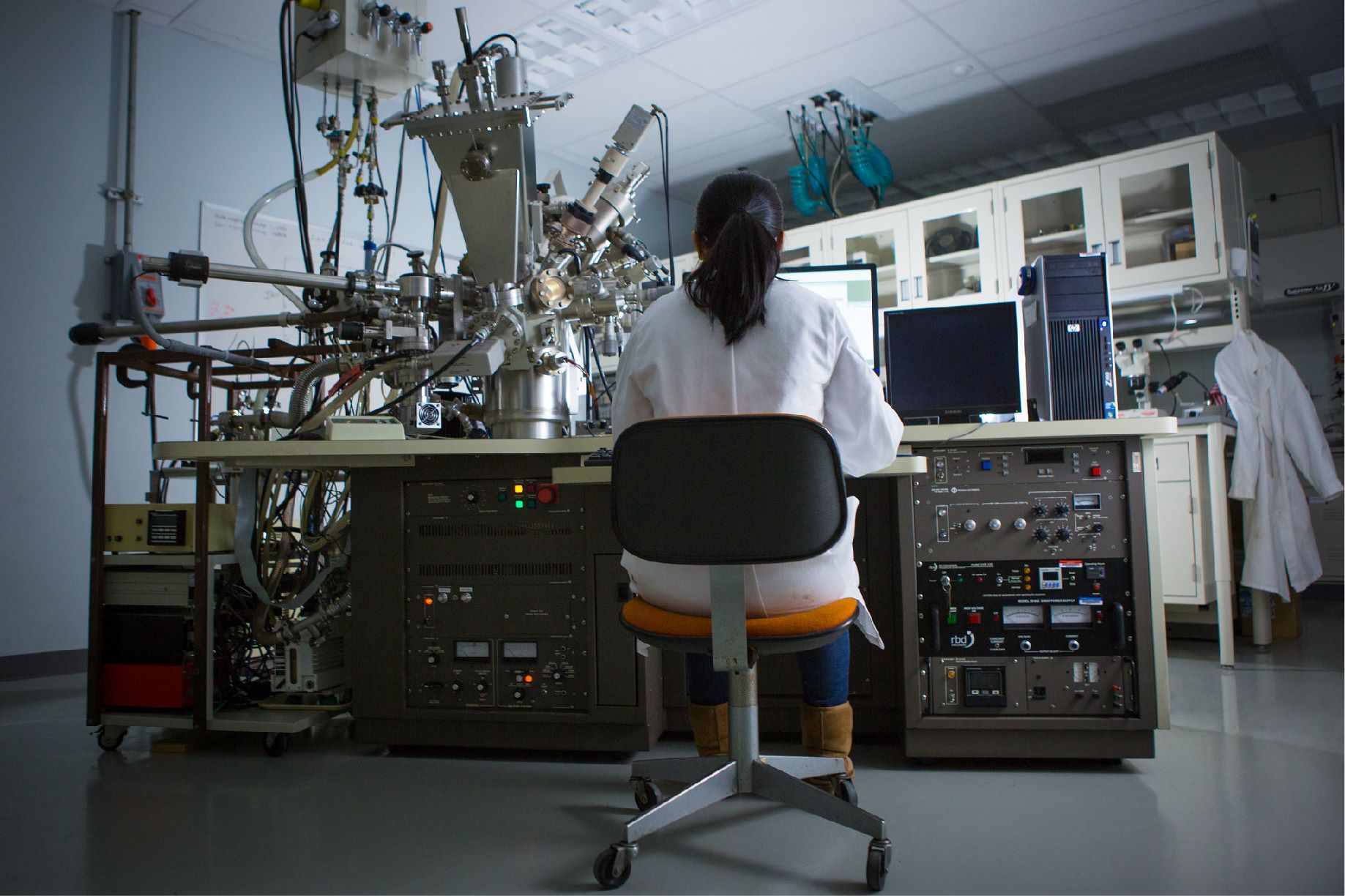
NETL data analysis research is expanding the work of the Lab’s eXtremeMAT program to enable improved materials property prediction that could support the design of cutting-edge clean energy systems.
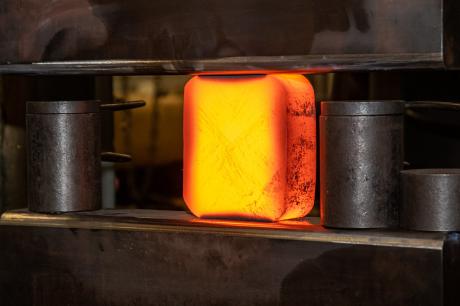
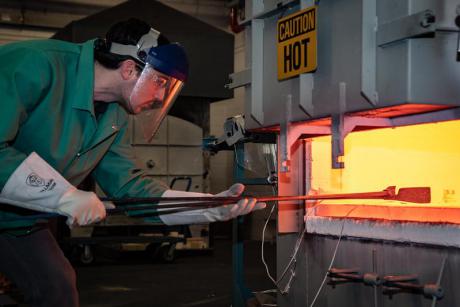
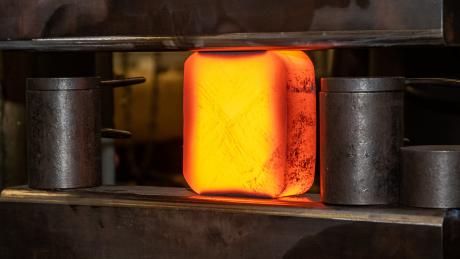
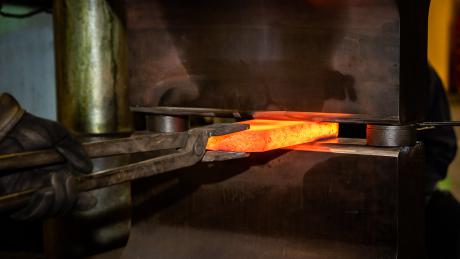
A six-year project managed with NETL oversight has culminated in the manufacture of commercial-scale nickel superalloy components that are needed for higher-efficiency thermal power plants.
In 2021, NETL’s Materials Engineering & Manufacturing (MEM) researchers advanced multiple discoveries, which included developing cost-effective materials to withstand extreme service environments in tomorrow’s highly efficient power plants, removing contaminants from water, finding new uses for carbon wastes, and helping the nation achieve its decarbonization goals while ensuring robust supplies of affordable energy and creating jobs for American workers.
Notable MEM research achievements in the past year were:
NETL’s Advanced Alloys Signature Center (AASC) will drive the development of next-generation, high-performance materials needed to generate affordable, clean electricity, support growth in emerging U.S. industries and strengthen America’s position as a world leader in alloy design and production.
NETL has entered a memorandum of understanding (MOU) with the Oregon Manufacturing Innovation Center for Research and Development (OMIC R&D) to coordinate the development of new alloys and materials technologies for use in manufacturing applications.
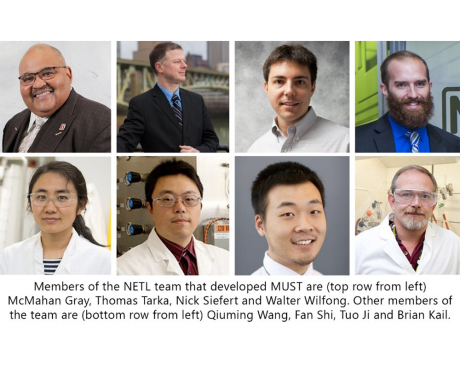
The NETL research team behind the development of Multi-functional Sorbent Technology (MUST) has earned a prestigious R&D 100 Award for its game-changing suite of low-cost, versatile sorbents that is highly effective in cleaning contaminated waterways and removing metals from electronic and pharmaceutical production processes.
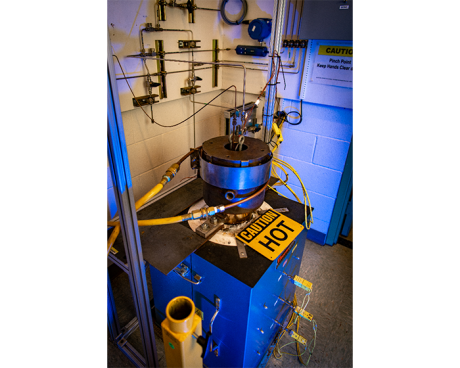
Taking a leading role NETL, in collaboration with Oregon State University (OSU) and Pacific Northwest National Laboratory (PNNL), is exploring how high-temperature carbon dioxide (CO2) degrades power plant building materials — research that could lead to the development of supercritical CO2 power plants that could help decarbonize the nation’s power sector.
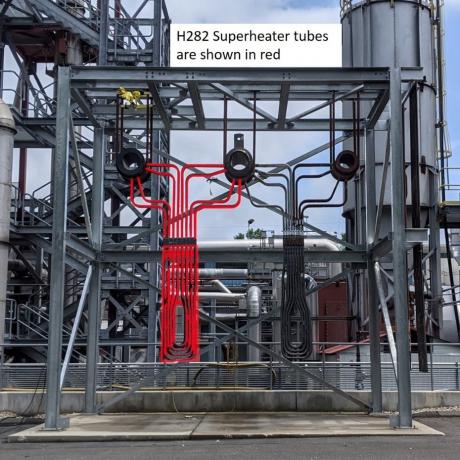
A new superalloy, developed by Haynes International and tested by a collaborative effort led by NETL, has received American Society of Mechanical Engineers (ASME) approval for use in the next generation of power plants that will operate with enhanced efficiency and produce fewer greenhouse gas emissions.
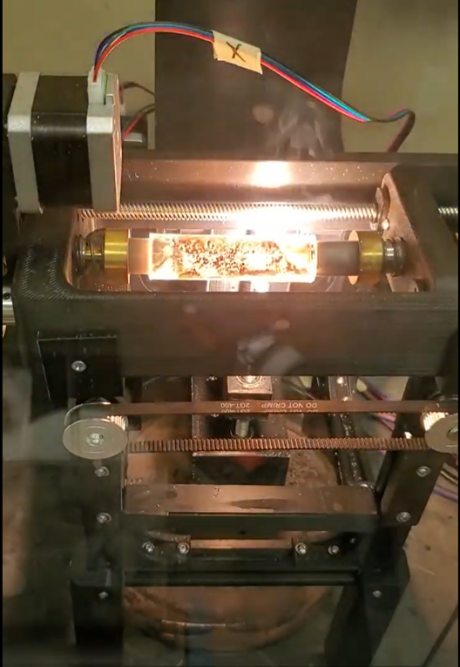
In partnership with NETL, researchers at Rice University are studying how an advanced conversion process called flash Joule heating (FJH) can inexpensively produce high-value graphene from carbon ore using scalable technology, producing a valuable additive for next-generation technology and advanced manufacturing methods.