
 Share
Share Contact
Preparing the Next Generation To Meet Future Energy Challenges
The University Training and Research (UTR) Program supports early-stage research at U.S. colleges and universities that advances the U.S. Department of Energy (DOE) Hydrocarbons and Geothermal Energy Office (HGEO) mission of unleashing the full potential of America’s hydrocarbon and geothermal resources to provide affordable, reliable, and secure energy. Click here to view the webpage under the DOE Headquarters program office HGEO.
By investing in the education and training of America’s future scientists and engineers, this program highlights the key role technology plays in addressing America’s energy challenges, promotes the development of innovative and disruptive technologies, and reinforces workforce development as a part of our nation’s continued economic prosperity. The UTR Program provides the opportunities in science, technology, engineering, and mathematics (STEM) fields, broadening the impact of the HGEO’s portfolio and strengthening America’s workforce.
Find Out More About

Understand how the UTR program addresses critical workforce needs in the energy sector.
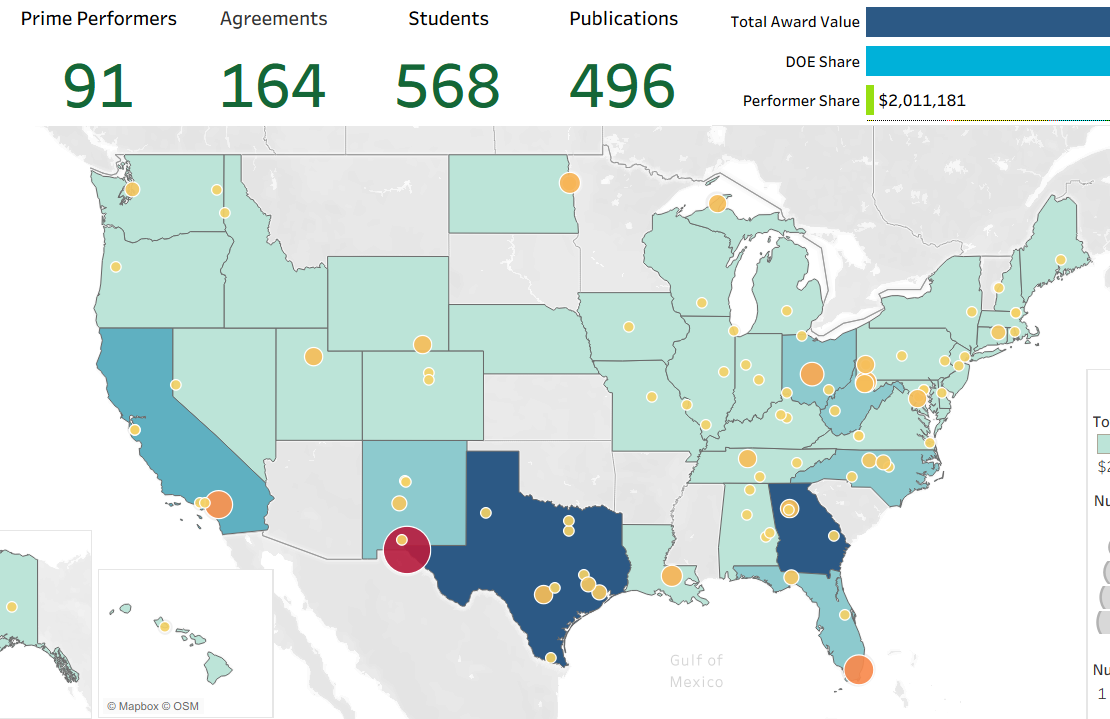
Visualize the impact of the UTR program with an interactive map of all awards since 2007.
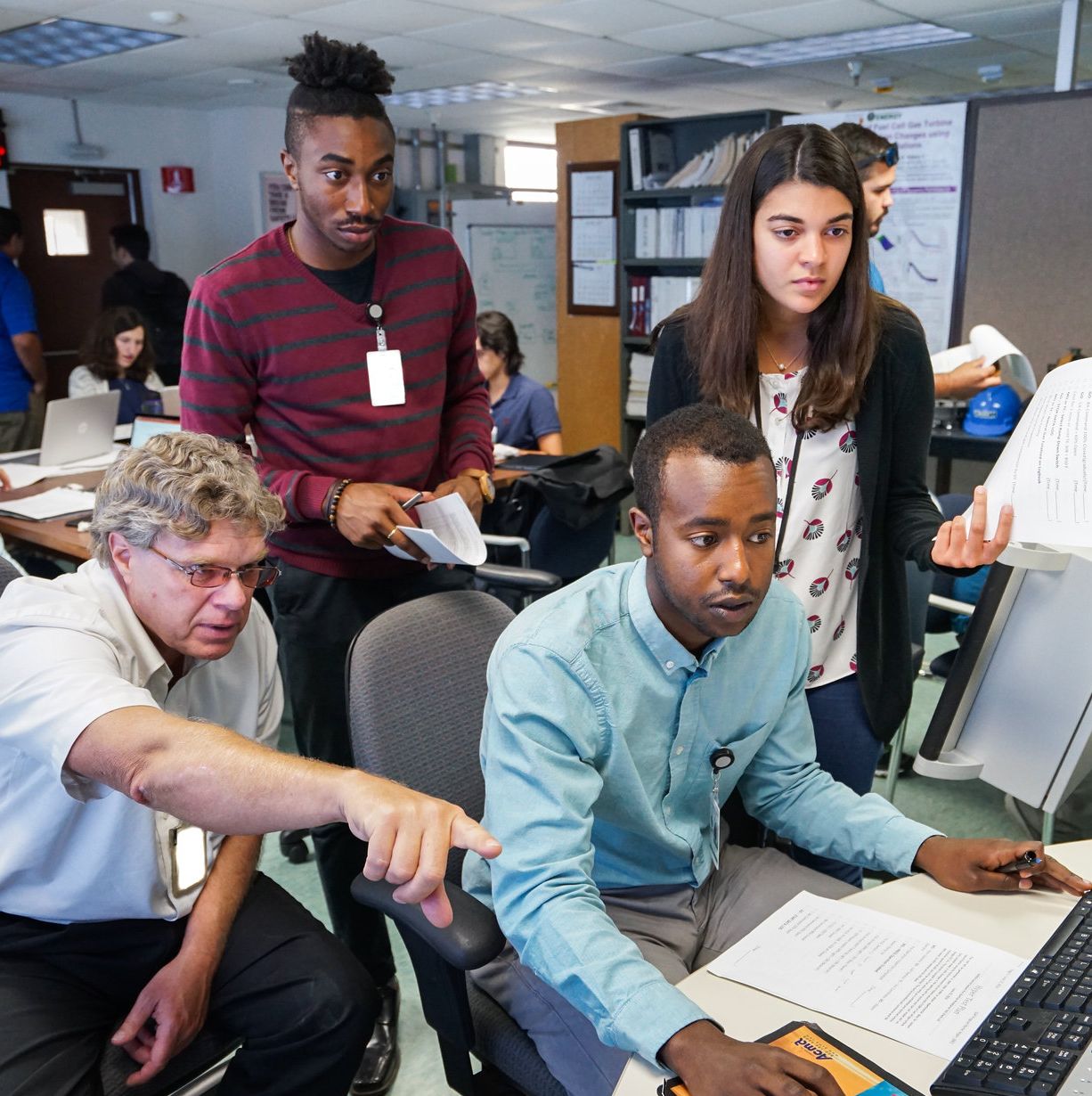
Participating students share how the UTR program provides hands-on research opportunities and valuable, career-sustaining skills.

Explore annual funding opportunities and the nationwide competitive solicitation process for UTR grants.

Stay informed and learn about program announcements, webinars, project portfolio releases, and other key R&D events.
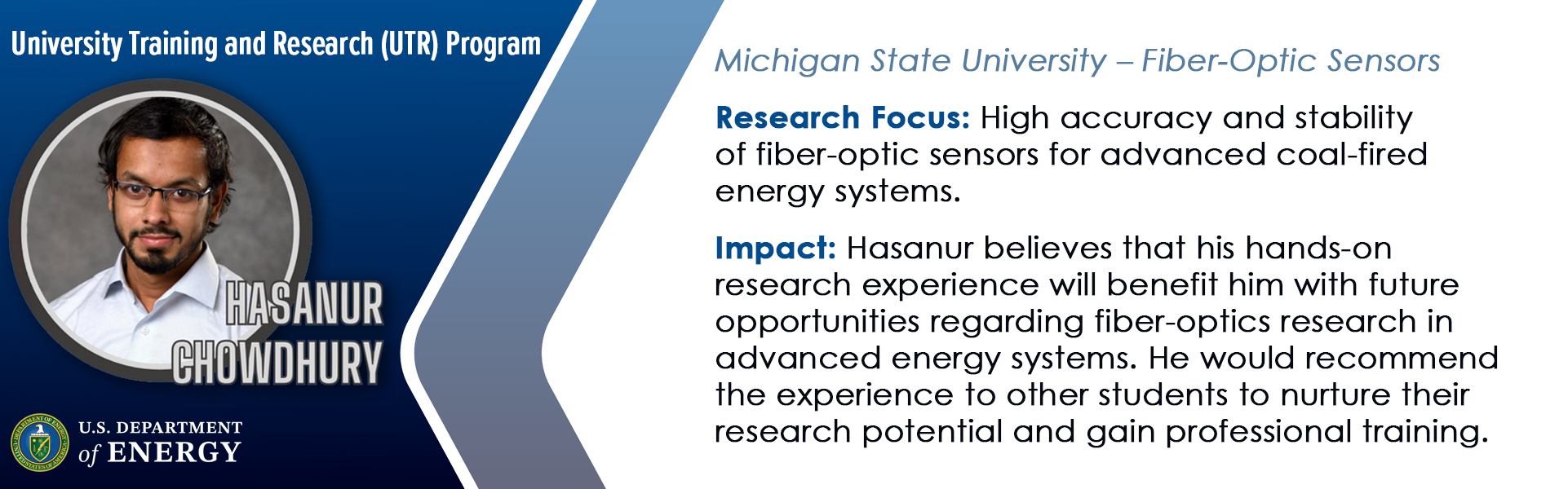
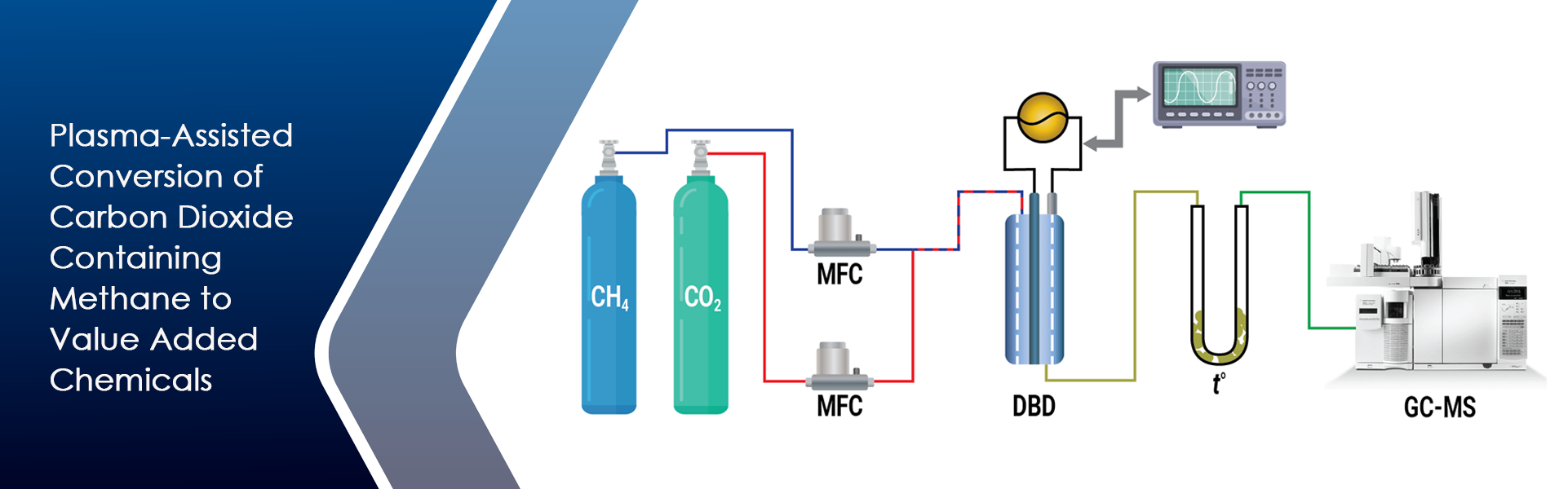
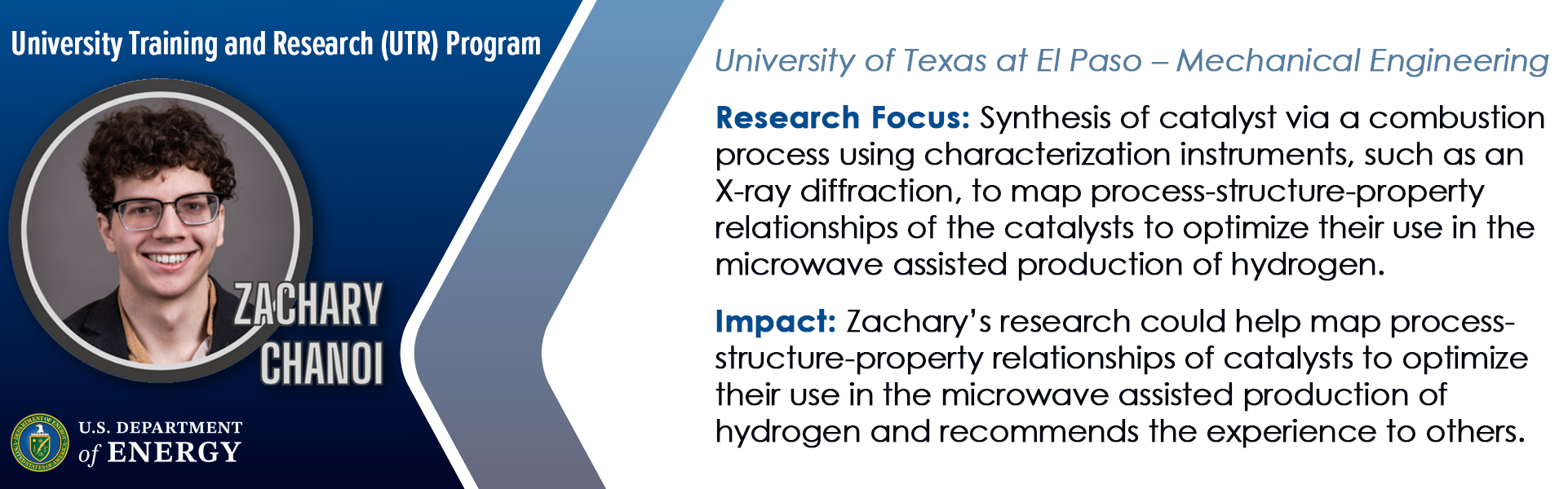
Project and Student Highlights
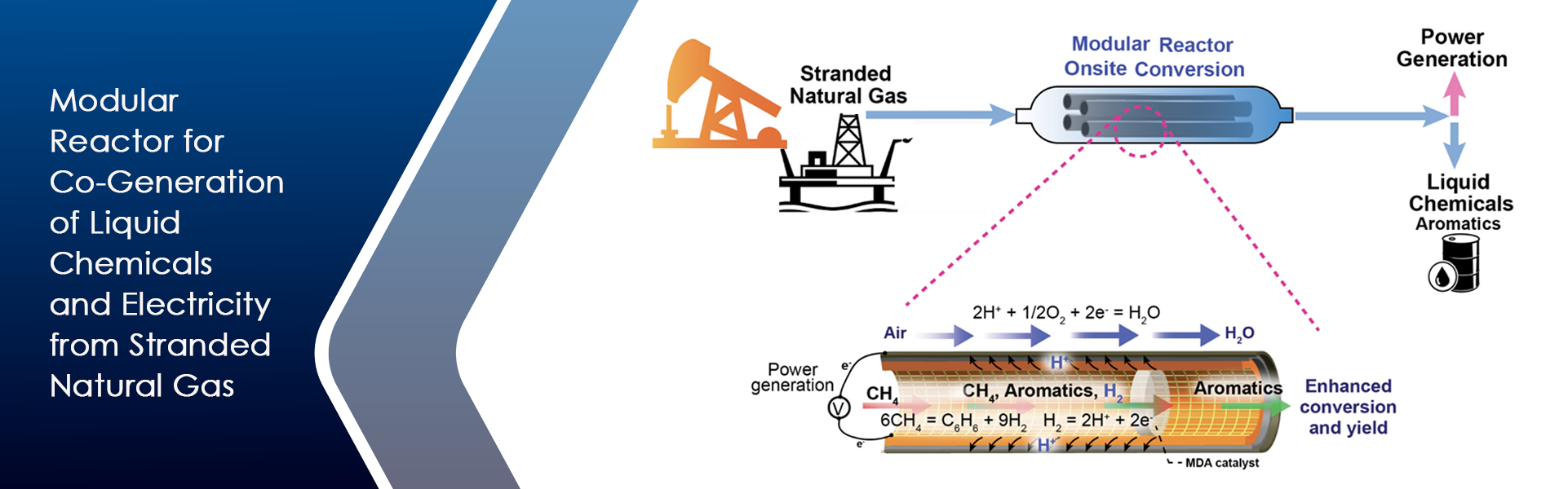
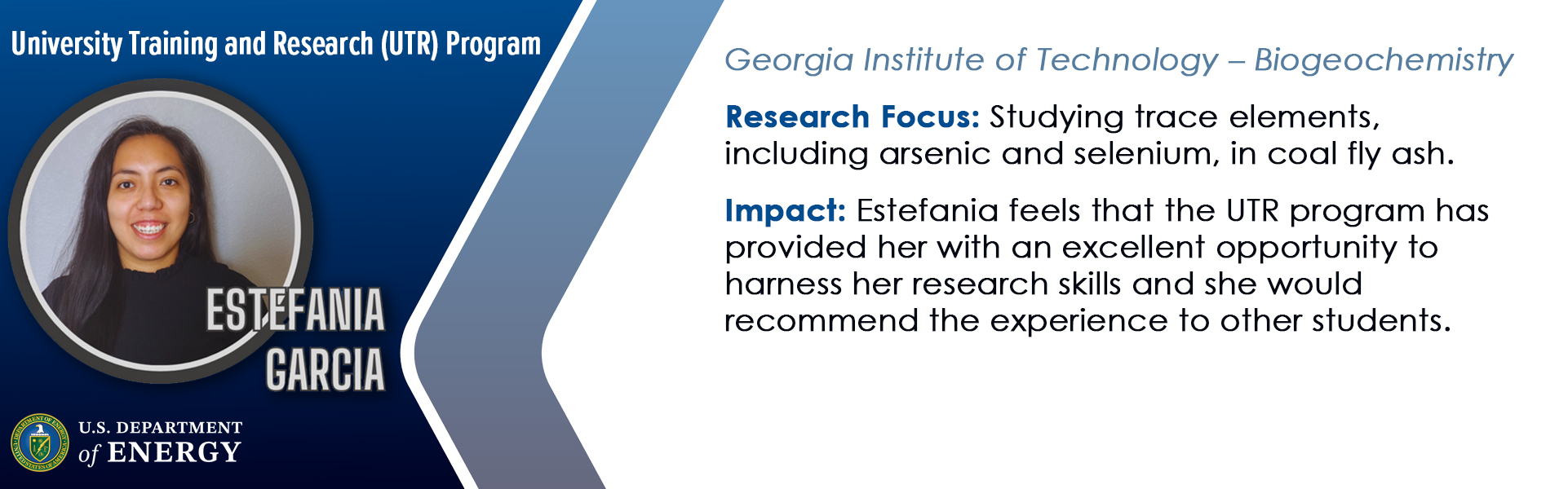
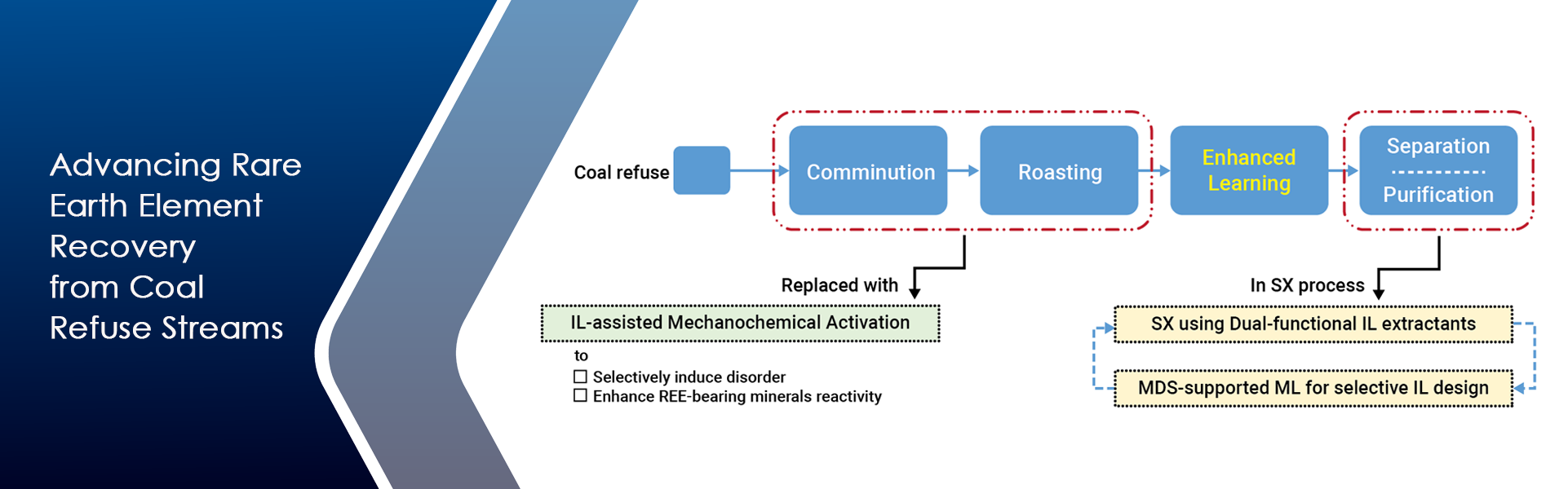


Program Statutory Authority
The UTR Program was authorized under PL 109-58, Energy Policy Act of 2005, as an extension of the University Carbon Research (UCR) program. The UCR program was incepted in 1979 under Public Law 95-224, as amended by 97-258, which provides DOE the authority to “make contracts, grants, and cooperative agreements for the conduct of basic or applied scientific research at nonprofit institutions of higher education.” The program is re-authorized and appropriated annually, most recently through the One Big Beautiful Bill Act.
A portion of appropriated funds are allocated for historically Black colleges or universities (HBCUs), Hispanic-serving institutions (HSIs), or tribal colleges (TCUs) in accordance with Section 1105 of the Energy Policy Act of 2005 which amended the Department of Energy Science Education Enhancement Act (42 U.S.C. § 7381). The HBCU-MSI program aims to enhance the competitiveness of HBCUs and other MSIs in hydrocarbons and geothermal energy research and to broaden participation in science, engineering, and technical management. By supporting academic research and improving competitiveness for federal R&D funding at HBCUs, the UTR Program aligns with Executive Order 14283: White House Initiative to Promote Excellence and Innovation at Historically Black Colleges and Universities.

Typical Funding Mechanism
Funding is often administered for both the HBCU-MSI and UCR sub-programs through a combined nationwide competitive solicitation. All UTR-funded projects involve education and training initiatives that support HGEO’s RD&D goals. The institutional designation of the prime applicant determines the applicant’s eligibility for either the UCR or HBCU-MSI sub-programs.
Projects are typically awarded as grants with a duration of approximately two to three years. Award amounts vary depending on the year and the topic area of the project. In recent years, award amounts have ranged from $250,000 to $1,500,000.
Recent Awards
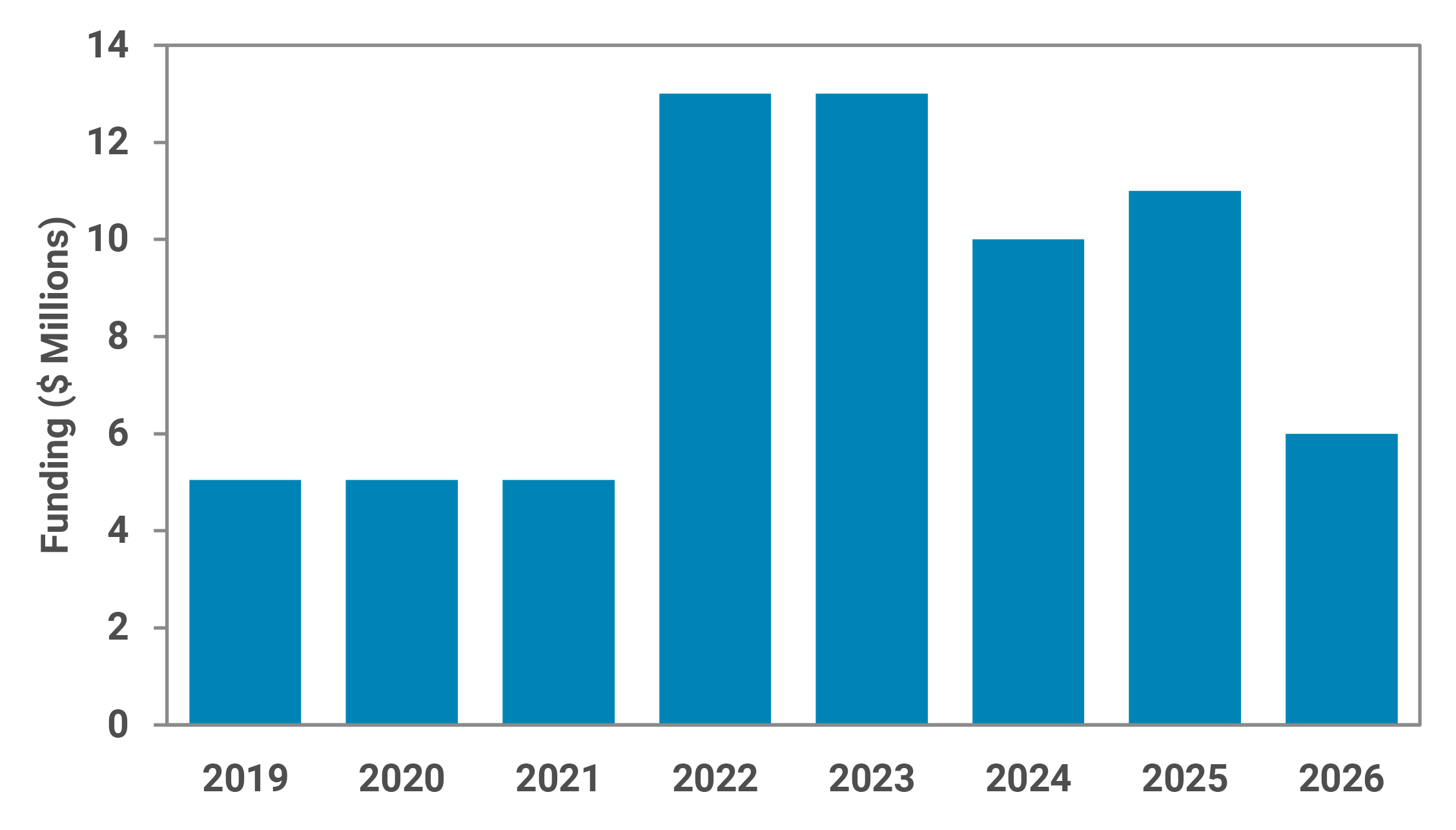
Between 2010 and 2025, the UTR Program made 163 R&D awards valued at $69.52 million and helped to support 573 students at various stages in their careers, including those at the undergraduate, graduate and doctorate levels.
| UTR | Awards | Funding | Students Trained |
|---|---|---|---|
| Total (2010 - 2025) | 163 | $69.52M | 573 |
| Active (as of 12/1/2025) | 31 | $21.24M | 129 |