
 Share
Share Contact
Oil & Gas Center of Excellence
Enable secure, efficient, and low-impact oil and gas systems through integrated research aligned with DOE priorities and industrial needs.
Key Facilities & Research
Increase the recovery factor in unconventional reservoirs
Enhanced Oil Recovery Laboratory
Enhanced oil recovery (EOR) in unconventional formations is challenging due to the extremely low permeability and mixed wettability of shale. Primary recovery from unconventional formations through hydraulic fracturing with water typically recovers between 3% and 10% of oil in place, leaving most oil behind. The EOR Laboratory focuses on improving oil production from unconventional shale formations by altering wetting properties of shale by injection of water and/or nonaqueous fluids such as rich natural gas and carbon dioxide with or without additives such as surfactants. NETL’s advanced and customized capabilities include contact angle, interfacial tension and huff-n-puff with nuclear magnetic resonance that allows researchers to visualize different fluids involved in the system and evaluate the effectiveness of various strategies that promote oil recovery at reservoir-pressure and -temperature conditions. This facility aims to evaluate targeted enhanced recovery additives and strategies while collaborating with industry partners to link lab tests with field tests and improve energy recovery in unconventional resources.
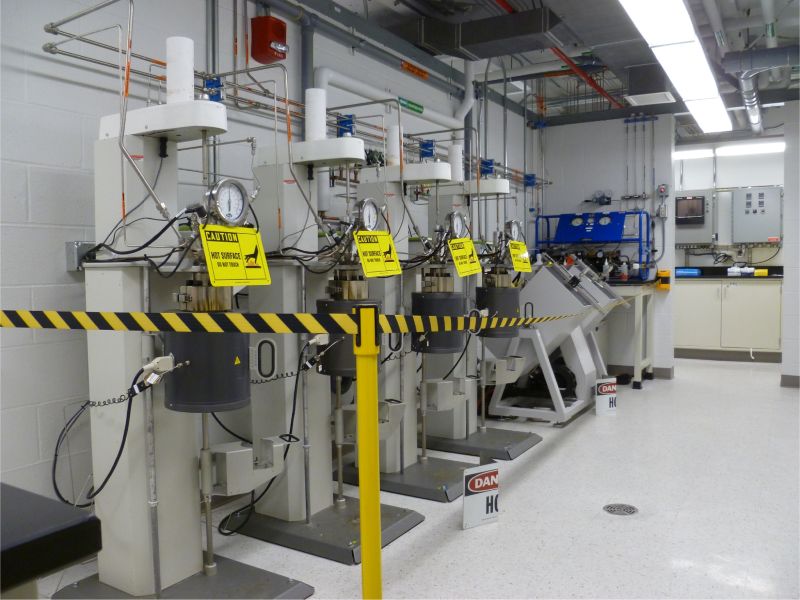
Subsurface Experimental Laboratory and Advanced Imaging
Research efforts in this laboratory focus on subsurface materials, processes and infrastructure to optimize development of oil and gas resources. Unique pressurized core flood capabilities examine fluid flow behaviors associated with oil recovery. Researchers use high-temperature and high-pressure equipment to study the petrophysical, geochemical and mechanical properties of reservoir rocks and cement/wellbore casings under in-situ conditions including confining stress, overburden and cycling loading. Coupled with NETL’s unique in-situ computed tomography imaging facility, which focuses on understanding the interaction of hydrocarbons, additives and geomaterials to enhance production flow in the subsurface for our nation’s energy production, this facility provides comprehensive insight into reservoir quality, drilling and completions, fluid behavior, and how to maximize hydrocarbon extraction.
Lower the break-even cost of primary recovery operations
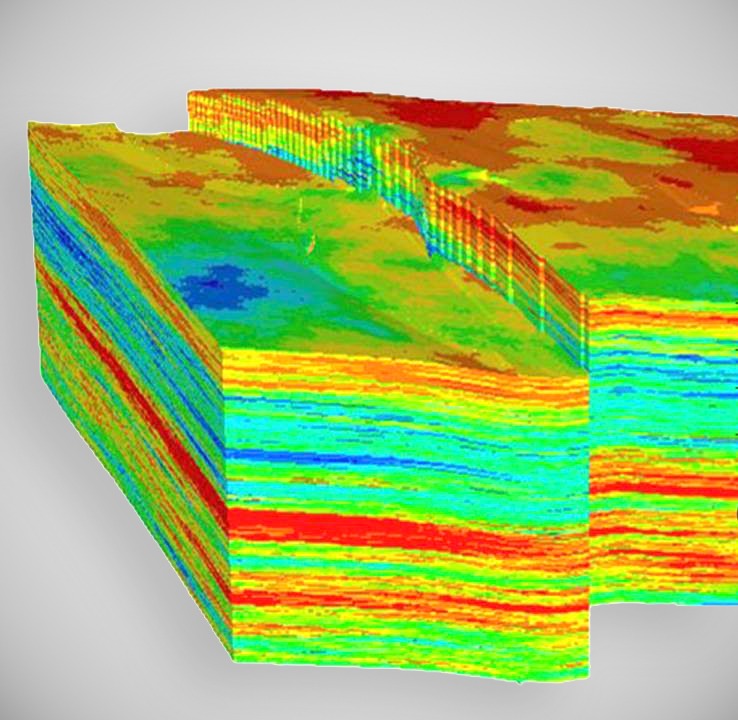
Data-Informed Multiphysics Modeling
NETL’s subsurface Multiphysics simulation group considers complex multiscale, multiphysics phenomena impacting engineered subsurface systems. They use a range of modeling tools for robust characterization and simulation of dynamic behavior from pore to reservoir-scale. The multiphysics simulation group also develops workflows to validate models with laboratory and field observations, constrain uncertainty in forecasts, expedite stakeholder decision-making, and improve resource recovery.
Transform produced water into an economic resource
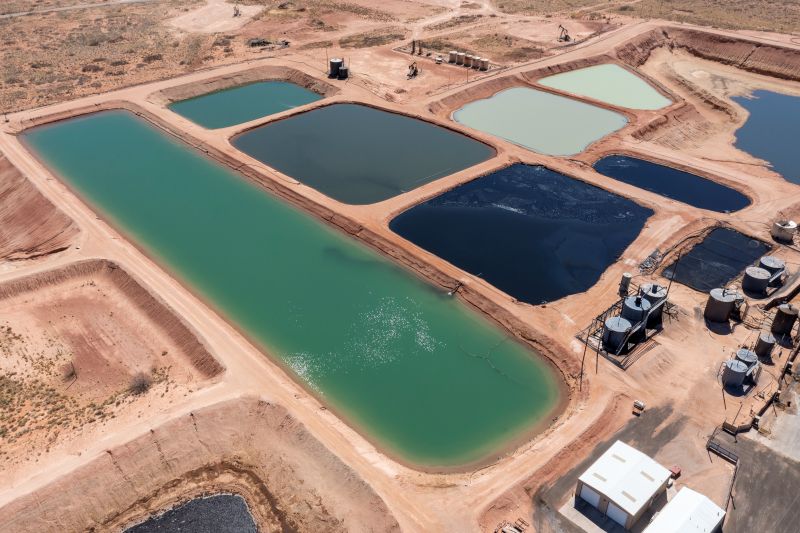
Produced Water Management
NETL is advancing research in produced water management through three initiatives: advanced membrane technologies, optimization modeling, and comprehensive data analysis. The High-Salinity Brine Treatment Laboratory at NETL Pittsburgh investigates membrane-based processes like reverse osmosis and nanofiltration to understand water and salt transport in challenging high-salinity brines, aiming to make these waters reusable. Concurrently, NETL's open-source PARETO framework provides the oil and gas industry with decision-support tools for cost-effective produced water management, optimizing infrastructure, treatment technologies and identifying beneficial reuse scenarios, including critical mineral recovery. Furthermore, the NEWTS (National Energy Water Treatment and Speciation) Database and Dashboard centralizes over 400,000 sample records of energy-related wastewater, offering interactive visualization and economic screening for valuable critical minerals. Complementing this, the recently launched PW-DNA (Produced Water DNA) Database characterizes the biogeochemistry of produced water, using DNA sequences and metadata to identify microbial impact on infrastructure, develop biotechnology for resource upgrading, delineate reservoir biomarkers, and optimize strategies for produced water treatment, reuse and storage. The database’s broad applicability can benefit the oil and gas industry, water management groups, specialists in genetic engineering, and numerous other stakeholders. Their collective efforts aim to address the challenges of produced water management and explore the recovery of valuable resources from these waste streams.
Increase efficiencies and reliability of midstream infrastructure
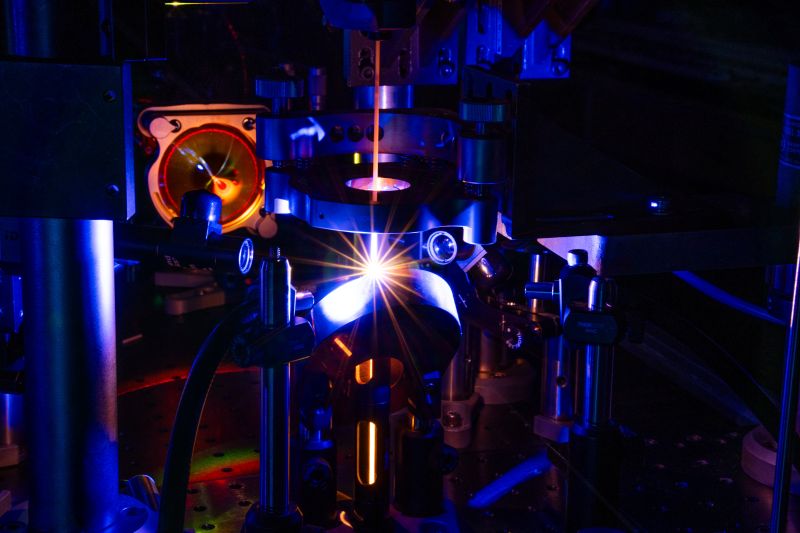
Sensors Development Laboratory
The Sensors Development Laboratory creates novel optical fiber and passive wireless sensors, integrated with artificial intelligence (AI) and digital twins, for monitoring critical energy infrastructure from wellbores and fracture networks to pipelines, turbines and power grids. These advanced sensors detect corrosion, gas leaks, cracking and degradation over long distances in harsh environments. Both capabilities leverage data, expert insights, and advanced AI techniques to build fast forecasting, integrated assessment and decision-support tools. Ultimately, the goal of these groups is to enhance energy production while supporting safe, reliable and secure energy infrastructure.
Gas Separation Center
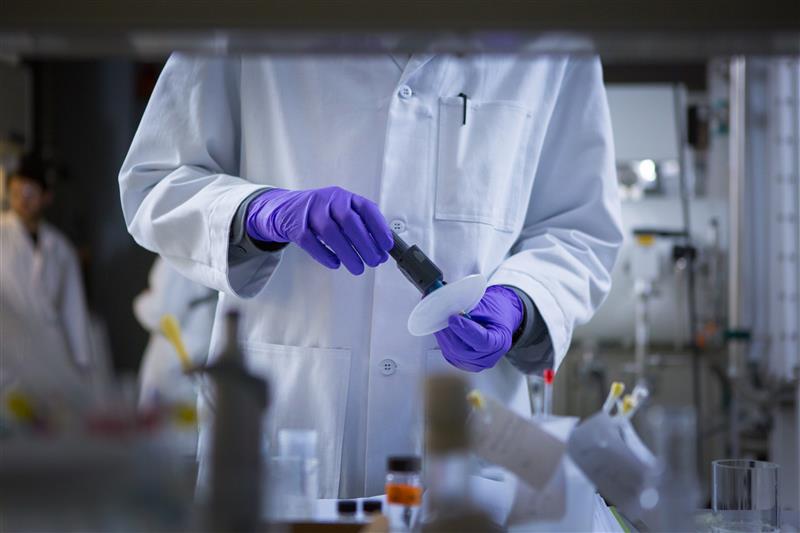
NETL has unique facilities dedicated to supporting private sector technology maturation. The Lab’s competencies and knowledge are leveraged through collaborative research efforts. Innovators from government, academia and the private sector take advantage of the facilities to test emerging technologies in a fully integrated suite of systems including laboratory-scale material performance testing and bench-scale module performance testing. The discussion will focus on the use of these tools to assist industry in improving technology for gas separations to ensure our nation’s energy security through expanded energy production using enhanced hydrocarbon recovery.
Develop advanced energy systems that provide low-cost baseload power and products
Advancing Fuel-Flexible Solutions for Industrial Heat and Boosting Efficiency for Base Load Power
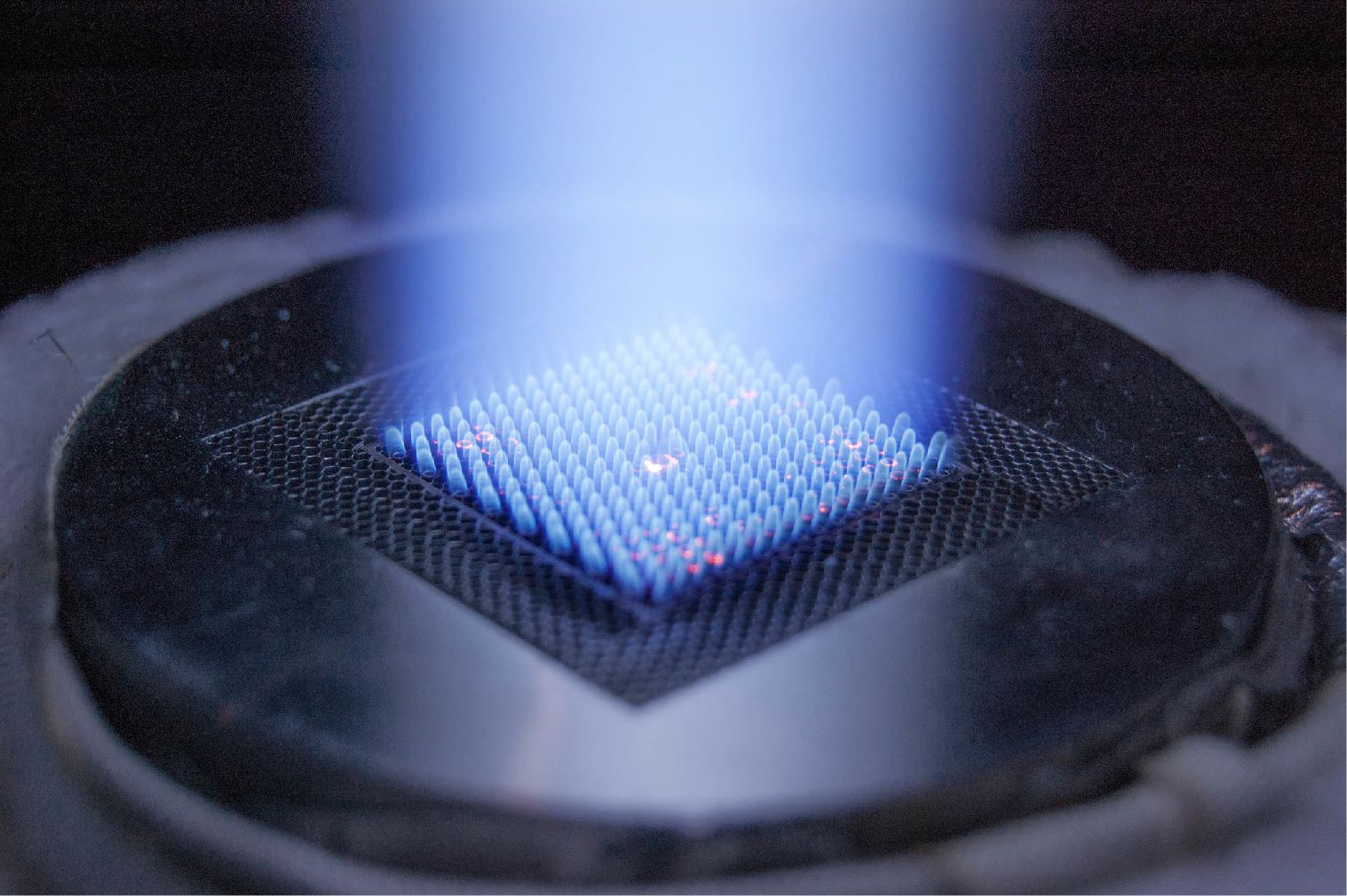
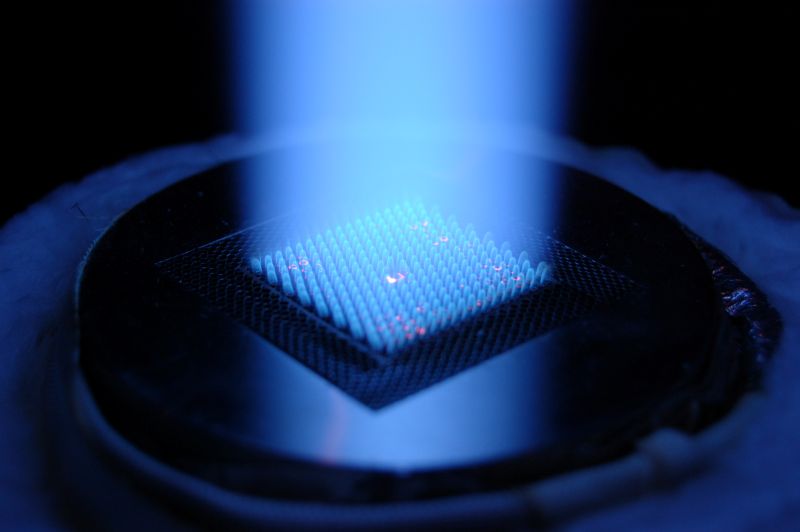
NETL’s BLAZE facility explores fuel-flexible combustion options for industrial heat while our rotating detonation engine (RDE) facility focuses on boosting efficiency and lowering base load costs. The BLAZE facility is a user-accessible test bed, available as a test-as-a-service or collaborative research platform, for exploring innovative combustion systems, enabling partners to evaluate adaptive heat solutions to reduce fuel costs and improve operational stability with diverse fuel supplies. BLAZE combines physical testing assets (furnaces, burners, instrumentation) with digital assets (computational fluid dynamics models, AI tools) to address key industry challenges like burner technology and multiburner flame interactions, safety and sensor accommodation, and materials testing. RDEs can lead to a significant improvement in overall cycle efficiency, substantially reducing fuel consumption. NETL's RDE facility uses two specialized RDE test beds, coupled with advanced diagnostics and AI, to accelerate pressure gain combustion technology toward higher efficiencies and lower fuel costs for gas turbines. Researchers extract detailed operational data from these rigs using advanced laser diagnostics, high-speed imaging and AI-driven image processing. This comprehensive approach, combining physical testing with advanced digital tools, bridges the gap between fundamental research and commercial integration for both industrial heat and power generation.
Contact
Ale Hakala (acting)
Center Director
Alexandra.Hakala@netl.doe.gov
Dirk Link (acting)
Associate Laboratory Director
Dirk.Link@netl.doe.gov