Business

Business
North Dakota Brine Treatment Facility – Waterford City, North Dakota. Photo courtesy of UND EERC DE-FE0026160.
The United States (U.S.) Department of Energy (DOE) supports a unique set of projects, known as the Brine Extraction Storage Test (BEST) projects, which are investigating the use of active reservoir management (ARM) to manage reservoir pressure and storage efficiency for carbon dioxide (CO2) storage sites that may call for such measures. ARM combines brine production with CO2 injection to relieve pressure buildup, increase injectivity, manipulate CO2 migration, and constrain brine leakage, should it occur. Utilization of ARM could also increase CO2 storage capacity and expand site-selection opportunities. Technologies associated with ARM include, but are not limited to, use of multiple injection and extraction wells for pressure management, strategies for steering the plume in order to maximize use of storage pore space and minimize plume footprint, strategies for use/reuse/re-injection of extracted waters, water treatment/desalination methods, and automated operations control systems. These BEST projects have followed a two-phased research approach.
Five Phase I projects (completed) carried out modeling and other analyses to support development of pressure management strategies for potential field projects, focusing on five areas/formations representing important potential geologic storage opportunities in the United States. The modeling studies showed how the reservoir characteristics of the various potential storage formations would impact pressure reduction achieved for various injection/extraction scenarios. Life cycle analysis (LCA) studies performed by the projects highlighted the likelihood of encountering very high total dissolved solids (TDS) brines in many saline formation storage projects, as well as the challenges of handling these brines. Overall results from the Phase I Feasibility Evaluation includes the following:
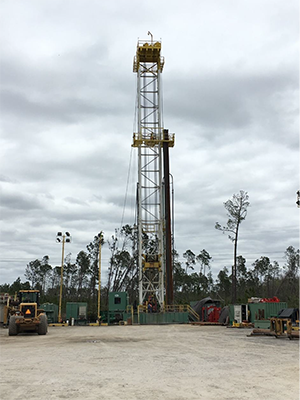
Two projects have advanced to Phase II (ongoing) to validate brine extraction strategies through injection/extraction of brine and monitoring of differential pressures at active wastewater disposal facilities. Both Phase II projects also host facilities for testing emerging enhanced water recovery (EWR) technologies. Working at field sites provided by industrial partners, the research involves the injection and extraction of brine from deep saline formations, predictive modeling of the differential pressure plume (differential pressure is defined as the difference in pressure at a point in the reservoir before and after injection begins) and monitoring to validate pressure management approaches. Extracted brines will be utilized as a part of a test bed for brine treatment technologies. Phase II projects are being carried out in the Williston Basin and Gulf Coast.